

Nutrition Assistance Programs That Go Beyond Basics: A Complete Guide for Families Seeking Stronger Food Support
Nutrition assistance programs that go beyond traditional support play a key role in helping families access healthy, affordable food. With rising grocery prices and shifting economic conditions, many households need programs that do more than offer short-term help. By learning how nutrition assistance programs that go beyond limited aid operate, families can find dependable solutions that meet a variety of needs. These programs combine food assistance programs, SNAP alternatives, and family nutrition support to make healthy eating easier for everyone.
Many families searching for nutrition assistance programs that go beyond standard benefits feel overwhelmed by the number of choices available. Some programs offer direct food benefits, while others provide educational resources, meal delivery, farm-to-family outreach, or nutrition coaching. Understanding how these food assistance programs work gives families a clear path to affordable and nutritious food. This helps parents ensure their children eat well, regardless of financial challenges.
Nutrition assistance programs that go beyond simple food vouchers also prioritise long-term health improvements. They support families with nutrition education, grocery guidance, and access to fresh produce. These additional layers of support benefit working families, low-income households, seniors, and people with health limitations. With the right tools, families can use SNAP alternatives and community food programs to stay healthy and financially stable.
This guide breaks down nutrition assistance programs that go beyond standard offerings so families can make informed decisions. You’ll learn how programs differ, who qualifies, how to apply, and what benefits each option provides. These insights help you choose a food assistance solution that strengthens your family’s budget and supports better nutrition every day.
Why Nutrition Assistance Programs That Go Beyond Basics Matter Today
Nutrition assistance programs that go beyond minimal support matter because food insecurity continues to affect households in every region. Groceries, school meals, and medical diets all contribute to rising expenses. That makes nutrition assistance programs that go beyond one-size-fits-all benefits essential. They adapt to different lifestyles, dietary needs, and household budgets, helping families enjoy healthy meals without financial strain.
Families often seek food assistance programs when they experience job loss, reduced income, or sudden expenses. Nutrition assistance programs that go beyond these temporary issues provide consistent support throughout the year. This consistency builds confidence and allows families to maintain stable eating habits. When families have stable access to food, children perform better in school, adults maintain better health, and long-term outcomes improve.
Nutrition assistance programs that go beyond simple food vouchers give families additional tools to manage wellness. Many programs include meal planning support, cooking classes, and guidance on choosing nutrient-rich ingredients. These elements help families stretch their budgets while improving diet quality. Families who participate in SNAP alternatives and family nutrition support programs benefit from resources tailored to long-term well-being.
These programs also help families access local food sources such as farmers’ markets, community gardens, and mobile food services. Nutrition assistance programs that go beyond basic coverage offer creative ways for communities to share nutritious food. This strengthens neighbourhood connections and encourages healthier habits across generations.
Types of Nutrition Assistance Programs That Go Beyond Traditional Aid
Nutrition assistance programs that go beyond standard support come in many forms. While traditional food stamps and basic vouchers provide essential help, expanded programs offer more flexible options. These include community-driven food assistance programs, SNAP alternatives, and family nutrition support services. Together, they create a strong network of resources for households at all income levels.
One popular category of nutrition assistance programs that go beyond expected benefits includes fresh food box programs. These programs deliver seasonal produce directly to families. They ensure households have access to fruits, vegetables, and other nutrient-rich foods throughout the year. Families benefit from reliable access to fresh items without the high price tags found in supermarkets.
Another group of nutrition assistance programs that go beyond usual support involves mobile food delivery programs. These bring groceries to underserved neighbourhoods, helping families without transportation access healthier choices. This improves food accessibility for seniors, disabled individuals, and families living far from grocery stores.
Finally, there are nutrition assistance programs that go beyond simple financial support by focusing on education. Families learn how to cook affordable meals, store food safely, and plan balanced diets. These programs help households make the most of their resources while improving overall nutrition.
How Food Assistance Programs Strengthen Household Nutrition
Food assistance programs form the backbone of nutrition assistance programs that go beyond temporary solutions. They help families access groceries through food banks, community kitchens, voucher systems, and produce distribution programs. Families rely on food assistance programs when they need immediate support or ongoing help. These resources reduce hunger and promote healthier lifestyles by offering consistently available food options.
Many food assistance programs also focus on reducing food waste, redirecting surplus items from restaurants and stores. This ensures families get high-quality food that would otherwise be discarded. Nutrition assistance programs that go beyond simple distribution include partnerships with farmers, local grocers, and nonprofits to deliver diverse food options to households.
Some food assistance programs also include specialised dietary support, such as allergy-friendly foods, diabetic-friendly groceries, and medically tailored meals. These options help families who need specific diets maintain health without overspending. Nutrition assistance programs that go beyond traditional grocery items make these specialised foods more accessible and affordable.
Families also benefit from food assistance programs offering meal kits with recipes included. This encourages cooking at home and reduces the temptation to rely on more expensive take-away meals. These kits align well with nutrition assistance programs that go beyond basic support by combining convenience with education.
Why Many Families Turn to SNAP Alternatives
SNAP alternatives are an important part of nutrition assistance programs that go beyond typical government support. They fill gaps for households that may not qualify for SNAP or need extra help. SNAP alternatives include non-profit voucher programs, church-based food assistance, community pantries, and meal service organisations. These programs offer personalised, flexible support to families in need.
SNAP alternatives help families with unique circumstances such as limited documentation, inconsistent income, or transitional housing. Since some households struggle to meet official criteria, these alternatives ensure they still receive food support. Nutrition assistance programs that go beyond government platforms are often easier to access and have fewer application steps.
Many SNAP alternatives focus on fresh produce, protein, and healthy staples. This improves diet quality and reduces reliance on low-cost, highly processed foods. Nutrition assistance programs that go beyond limited services encourage families to explore healthier eating habits without overspending. These benefits make SNAP alternatives especially valuable for families prioritising long-term health.
SNAP alternatives also offer flexible pickup times, home delivery services, and small-group educational workshops. These extra features strengthen community engagement and help families build healthier habits over time.
How Family Nutrition Support Programs Improve Health Outcomes
Family nutrition support programs play an important role in nutrition assistance programs that go beyond the basics. These programs offer guidance, education, and personal support for families managing dietary needs. They include nutrition counselling, healthy meal planning, breastfeeding support, family cooking classes, and wellness coaching. With these added resources, families learn how to build stronger eating habits.
Family nutrition support programs give parents practical skills they can use every day. They teach families how to read nutrition labels, shop smartly, and prepare meals with affordable ingredients. Nutrition assistance programs that go beyond financial help create long-term improvements in overall health. These tools support children, teens, and adults as they develop better food choices.
Some family nutrition support programs focus on specific groups such as pregnant women, toddlers, or seniors. These programs address nutritional needs during important life stages. They help families maintain balanced diets even when faced with limited budgets. Nutrition assistance programs that go beyond general education give targeted support for better health outcomes.
Family nutrition support often includes collaborations with health clinics, schools, and community centres. This ensures families receive consistent guidance across different parts of their daily lives. These collaborations strengthen nutrition assistance programs that go beyond emergency support by integrating health and education in meaningful ways.
Eligibility Requirements for Nutrition Assistance Programs That Go Beyond Basics
Eligibility for nutrition assistance programs that go beyond traditional services depends on the program type. Some programs use income thresholds similar to SNAP, while others use more flexible guidelines. Many community-based food assistance programs require no income verification, making them accessible to families experiencing sudden hardship.
Households may qualify for nutrition assistance programs that go beyond federal programs if they are low-income, unemployed, disabled, or responsible for children or seniors. Some programs serve individuals recovering from illness or managing chronic conditions. This ensures vulnerable groups gain access to healthy food without complicated application processes.
SNAP alternatives may require a simple sign-up form, proof of residency, or participation in school meal programs. These requirements vary by organisation. Nutrition assistance programs that go beyond federal platforms often remove barriers that prevent families from getting help quickly and easily.
Educational and family nutrition support programs may require families to attend workshops or consultations. This helps ensure families benefit fully from the guidance offered. These programs support long-term nutritional well-being for households seeking healthier food choices.
How Nutrition Assistance Programs That Go Beyond Basics Use Community Partnerships
Community partnerships play a significant role in nutrition assistance programs that go beyond simple food distribution. Local organisations, food banks, farmers’ markets, health clinics, and schools work together to deliver reliable food support. These partnerships expand access, increase resources, and strengthen community resilience.
Nutrition assistance programs that go beyond basic benefits also collaborate with volunteers. Volunteers assist with food packaging, delivery, and educational activities. This reduces operating costs and ensures families receive consistent support. Volunteers help bring warmth and care to food assistance programs throughout the community.
Partnerships with local farms allow nutrition assistance programs that go beyond standard options to offer fresh produce boxes. These boxes encourage families to include vegetables and fruits in their meals. They also support local agriculture by providing a steady market for growers.
Some community partnerships include grocery stores that offer discounts or special vouchers for low-income families. These programs help stretch budgets while promoting healthier food choices. Nutrition assistance programs that go beyond government programs often rely on these partnerships to expand their reach and impact.
Applying for Nutrition Assistance Programs That Go Beyond Traditional Support
Applying for nutrition assistance programs that go beyond basic government services can be simple, depending on the organisation. Many programs offer online applications, while others use walk-in centres or community outreach events. Families should gather documentation such as proof of income, residency, or household size when required.
SNAP alternatives often have minimal application requirements. This makes them ideal for families who need fast support. Nutrition assistance programs that go beyond federal rules aim to remove barriers by offering flexible application steps and quick responses.
Some programs require families to attend an orientation session or educational workshop. This helps families learn how to make the most of the program’s resources. Nutrition assistance programs that go beyond simple food delivery focus on providing knowledge alongside food support.
Community centres, schools, and local nonprofits often provide application assistance. This makes the process easier for families facing language or technology challenges. Nutrition assistance programs that go beyond government services ensure no family feels left behind.
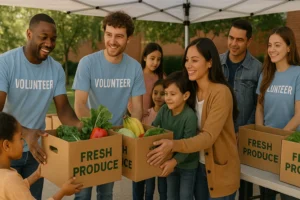
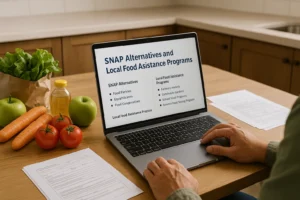


Table — Overview of Nutrition Assistance Programs That Go Beyond Basics
| Program Type | Key Features |
|---|---|
| Food Assistance Programs | Food banks, produce boxes, community meal distribution, emergency support. |
| SNAP Alternatives | Flexible eligibility, vouchers, non-profit support, mobile food services. |
| Family Nutrition Support | Education, meal planning, nutrition counselling, cooking classes. |
External Sources
USDA Food and Nutrition Service
Feeding America — National Food Assistance Network
FAQ — Nutrition Assistance Programs That Go Beyond Basics
1. How do nutrition assistance programs that go beyond traditional benefits support families more effectively?
Nutrition assistance programs that go beyond traditional benefits offer expanded support that families can use daily. While basic food aid covers emergency needs, nutrition assistance programs that go beyond standard help include education, community support, and access to healthier food choices. These programs provide practical resources such as nutrition counselling, cooking workshops, fresh produce boxes, and partnerships with local farms. Families gain tools that last longer than a single grocery trip. Food assistance programs help reduce stress by ensuring consistent access to healthy meals.
Many families also find that SNAP alternatives give more flexibility, especially those who do not qualify for government programs. Family nutrition support services add an extra layer of guidance, helping parents make informed choices for their children. Together, these services strengthen household stability and help families develop lifelong healthy habits.
2. What makes food assistance programs so valuable for families facing food insecurity?
Food assistance programs are essential because they act as the foundation of nutrition assistance programs that go beyond basic support. These programs give families immediate access to staple foods while offering predictable support during difficult periods. Food assistance programs include food banks, mobile distributions, soup kitchens, and local pantry services. Many also provide produce, dairy, and protein items that help families create balanced meals. Families benefit because there are usually no complex application requirements, allowing them to receive food quickly.
Additionally, food assistance programs often collaborate with farmers and grocery stores to distribute surplus items, reducing waste and expanding food availability. When families receive stable support through these programs, they can manage their budgets better and avoid the stress of skipping meals. These services work together with SNAP alternatives and family nutrition support programs to improve overall food security within communities.
3. How can SNAP alternatives assist families who don’t qualify for traditional SNAP benefits?
SNAP alternatives play a vital role in nutrition assistance programs that go beyond government-supported platforms. These programs offer flexible support to families who may not meet standard eligibility criteria but still need help. Many households experience fluctuating income, temporary job changes, or unique living situations that make traditional SNAP challenging to access. SNAP alternatives include community vouchers, nonprofit food programs, church-sponsored grocery support, and local produce distribution initiatives.
These services often have fewer application steps and allow families to access food assistance faster. SNAP alternatives may also provide healthier food selections, including local produce boxes and medically tailored meals. For families seeking immediate, practical help, these programs reduce stress and offer reliable support. By working with food assistance programs and family nutrition support services, SNAP alternatives create a stronger safety net for households in transition.
4. How do family nutrition support programs improve long-term eating habits?
Family nutrition support programs form an essential part of nutrition assistance programs that go beyond basic food help. These programs teach families how to make nutritious meals at home, read food labels, maintain healthy portions, and shop wisely on a budget. Many households struggle not only with accessing food but also with knowing which choices best support their health needs. Family nutrition support services address these challenges by offering hands-on education, one-on-one coaching, and meal planning guidance.
Parents learn how to prepare balanced meals for children, manage allergies or special diets, and reduce dependence on processed foods. Over time, families develop stronger habits that support long-term wellness. Combined with food assistance programs and SNAP alternatives, family nutrition support helps families achieve better health outcomes and maintain stability even during financial setbacks.
5. What types of nutrition assistance programs that go beyond standard help are available in local communities?
Most communities offer multiple nutrition assistance programs that go beyond basic food distribution. These include mobile produce trucks, community gardens, senior meal delivery services, school pantry programs, and weekend meal packs for children. Some programs focus on providing fresh fruits and vegetables, while others offer meal kits or cooked meals for families with limited cooking resources. Many local organisations partner with grocery stores, farmers, and nonprofit groups to expand access.
Families can also find SNAP alternatives that offer vouchers for farmers’ markets, discount cards, or seasonal produce boxes. Family nutrition support programs may be available through community health centres, libraries, or local schools. These combined programs help ensure that every household has access to nutritious food without facing overwhelming application processes or eligibility restrictions.
6. How do these programs reduce the stress associated with rising grocery costs?
Nutrition assistance programs that go beyond basic support help families combat rising grocery costs by offering alternatives to expensive supermarkets. Food assistance programs supply groceries at no cost, allowing households to save money for other necessities. SNAP alternatives provide vouchers, produce boxes, and other resources that reduce out-of-pocket expenses. Family nutrition support programs teach families how to stretch ingredients, plan meals efficiently, and prevent waste.
Through these combined services, families learn to manage their food budgets more effectively. The predictable support helps parents feel more secure, even when prices rise unexpectedly. Nutrition assistance programs that go beyond standard help also expand access to fresh produce, which is often the most expensive category for low-income families. By offering consistent access to healthy foods, these programs reduce the stress associated with maintaining nutritious eating habits on a tight budget.
7. Are nutrition assistance programs that go beyond simple food benefits available year-round?
Yes. Most nutrition assistance programs that go beyond traditional support operate year-round. Food banks maintain regular distribution schedules, and many mobile markets deliver fresh food weekly. SNAP alternatives such as nonprofit voucher programs often function continuously as well. Family nutrition support programs typically run throughout the year, offering seasonal workshops, online classes, and in-person coaching sessions.
Some programs adjust their offerings based on seasonal availability, such as providing extra produce during harvest months or offering holiday meal support. This consistency ensures families receive ongoing assistance rather than one-time help. The year-round availability of food assistance programs strengthens long-term food security and reduces hunger-related stress, especially for households with children or seniors who rely on steady nutritional support.
8. Do these programs help families access healthier food options?
Yes. Nutrition assistance programs that go beyond standard services prioritise access to healthier foods. Many programs distribute fresh fruits, vegetables, lean proteins, dairy products, and whole grains instead of processed items. SNAP alternatives often include produce vouchers, farmers’ market discounts, or partnerships with local farms. Food assistance programs increasingly focus on nutritious meal kits, fresh items, and medically tailored foods for families with specific dietary needs.
Family nutrition support programs teach parents how to prepare healthy meals, choose nutrient-rich ingredients, and shop for wholesome food on a budget. These combined efforts improve the overall quality of household diets. By increasing access to healthier options, nutrition assistance programs that go beyond traditional aid support stronger health outcomes and reduce the risk of diet-related illnesses.
9. How do these programs support parents with young children?
Parents with young children benefit greatly from nutrition assistance programs that go beyond basic help. These programs offer fresh food boxes, baby formula support, toddler-friendly snack options, and nutrition education tailored to early childhood development. Family nutrition support programs often include workshops on preparing healthy meals for young children, managing picky eating, and creating balanced meals. Food assistance programs also provide essential staples that help parents maintain consistent nutrition during developmental years.
SNAP alternatives supply families with flexible support when traditional benefits are not available. Together, these programs relieve financial pressure and help parents provide nutritious meals that support growth, immune health, and cognitive development. Consistent access to food improves children’s academic readiness and emotional well-being as well.
10. Can seniors benefit from nutrition assistance programs that go beyond typical services?
Yes. Seniors often rely on nutrition assistance programs that go beyond basic food distribution to maintain health and independence. Senior meal delivery services provide ready-to-eat meals tailored to dietary needs. Some programs offer soft foods, low-sodium options, or diabetic-friendly meals. Food assistance programs deliver grocery packages to seniors who cannot travel easily.
SNAP alternatives supply vouchers for specific health-focused grocery items. Family nutrition support programs work with caregivers and seniors to promote healthy eating habits, prevent malnutrition, and support chronic condition management. These holistic services help seniors maintain strength, energy, and overall well-being. Nutrition assistance programs that go beyond standard services play an important role in supporting seniors living alone or with limited mobility.
11. How do these programs assist individuals with medical or dietary restrictions?
Nutrition assistance programs that go beyond simple support often include medically tailored food services. These programs provide groceries or meals designed for people managing conditions such as diabetes, heart disease, food allergies, or digestive disorders. Food assistance programs may offer gluten-free items, low-sugar options, or specific proteins recommended by healthcare providers.
SNAP alternatives sometimes distribute specialised food boxes for individuals with chronic illness. Family nutrition support programs include training on preparing meals that align with medical recommendations. These combined supports reduce the financial burden associated with specialized diets, which are often more costly. Nutrition assistance programs that go beyond traditional benefits ensure that individuals with medical needs can maintain proper nutrition without sacrificing their health or financial stability.
12. Are undocumented families able to access nutrition assistance programs that go beyond government benefits?
Yes. Many nutrition assistance programs that go beyond federal support do not require documentation, making them accessible to undocumented families. Food assistance programs such as food banks, community kitchens, and pantry services typically welcome all households regardless of immigration status. SNAP alternatives run by nonprofit groups also offer vouchers and produce support without asking for legal documents. Family nutrition support programs provide workshops and educational services that are open to everyone.
These services help undocumented families access nutritious food, learn healthy habits, and maintain stability during difficult times. Nutrition assistance programs that go beyond government requirements ensure every family has a path to healthier eating, regardless of legal status.
13. How do these programs address the needs of rural families with limited grocery access?
Rural families often struggle with food access due to distance, transportation limitations, and fewer grocery stores. Nutrition assistance programs that go beyond standard support offer multiple solutions. Mobile food trucks deliver groceries to remote areas, while produce boxes can be delivered directly to family homes.
Food assistance programs coordinate distribution events at schools, churches, and community centres in rural regions. SNAP alternatives may include partnerships with local farms to offer affordable produce. Family nutrition support programs provide online classes and remote coaching sessions for families unable to attend in person. These combined efforts ensure rural households have reliable access to nutritious food, reducing health disparities caused by geographic limitations.
14. Do nutrition assistance programs that go beyond simple help require long applications?
No. Most nutrition assistance programs that go beyond government benefits use simple, flexible application processes. Food assistance programs rarely require paperwork beyond basic contact information. SNAP alternatives administered by nonprofits have minimal requirements and often allow walk-in sign-ups. Family nutrition support programs may require registration for classes or coaching sessions, but the process is typically quick.
The goal of these programs is to remove barriers so families can access food and education without delay. This makes nutrition assistance programs that go beyond federal systems ideal for families seeking fast help, especially during emergencies or transitional periods. The simplified process gives families reassurance and immediate support.
15. How can families find nutrition assistance programs that go beyond typical options near them?
Families can find nutrition assistance programs that go beyond standard help by checking local community centres, libraries, health clinics, and school newsletters. Many cities maintain online directories of food assistance programs and SNAP alternatives. Nonprofit organisations such as Feeding America offer searchable databases of local resources. Families can also call local food banks to ask about additional services like produce boxes, nutrition classes, or mobile deliveries. Family nutrition support programs often operate through hospitals, WIC offices, and public health departments.
These organisations typically share information on their websites or social media pages. By exploring these resources, families can easily discover ongoing nutrition assistance programs that go beyond traditional support and choose the ones that best match their needs.
Final Takeaway
Nutrition assistance programs that go beyond basic services help families build healthier, more stable lives. Through flexible food assistance programs, supportive SNAP alternatives, and empowering family nutrition support services, households gain the tools they need to stay nourished and confident. These programs create long-lasting improvements that help families thrive, even during challenging times.