

How to Find Financial Assistance: Practical Ways to Access Support for Families in Need
Understanding how to find financial assistance can transform the path forward for families who feel overwhelmed by rising expenses, unexpected emergencies, or sudden income loss. Many people never access the support available to them simply because they don’t know where to begin. Today, the landscape of financial support is wider and more accessible than ever, offering countless programs, grants, and services designed to provide relief in times of need.
Whether you are dealing with job loss, medical bills, childcare costs, or general hardship, learning how to find financial assistance will help you navigate difficult periods more confidently. Families searching for family financial help often discover that there are multiple layers of support—from charities and local councils to national government programs—that are specifically created to reduce financial stress.
In this comprehensive guide, we will explore how to find financial assistance through emergency aid, nonprofit organisations, government benefits, and community-based resources. You’ll also learn how to apply for emergency assistance programs, what documents you need, and how to gain access to ongoing financial aid for families. By the end, you’ll have clear direction, practical steps, and the confidence to start improving your financial situation today.

Understanding the Different Types of Financial Assistance Available
One of the biggest challenges when figuring out how to find financial assistance is simply knowing which category of support you need. Financial aid comes in many forms, and each program has its own eligibility rules and benefits. Families often qualify for more than one type of help but are unaware of the options.
Emergency relief programs help cover urgent expenses like rent, utilities, food, and medication. These emergency assistance programs are usually fast-acting and designed for sudden hardship. They are typically available through councils, charities, and community centres.
Long-term support programs offer ongoing financial aid for families who meet specific income guidelines or are experiencing continued hardship. These benefits can include tax credits, food support, childcare subsidies, housing vouchers, and medical aid. Learning how to find financial assistance within these categories gives families the stability they need to regain financial control.
Finally, community support organisations offer a variety of services such as debt counselling, job assistance, clothing vouchers, and food banks. Understanding all these categories will make it easier to navigate how to find financial assistance effectively.
How to Find Financial Assistance for Families
Families searching for how to find financial assistance often need help across multiple areas—rent, food, childcare, energy bills, and medical expenses. Fortunately, many national and local programs exist to support households experiencing hardship.
A great starting point is reviewing family financial help resources offered by your local government. Councils and community centres often provide detailed listings of available services, including grants, interest-free loans, and emergency vouchers. For example, many governments offer food subsidies, school meal programs, energy bill relief, and healthcare support.
Nonprofit organisations also play a major role in helping families learn how to find financial assistance. Many charities provide free financial coaching, budgeting classes, emergency funds, and grocery support. These organisations focus on helping families stabilise their situation while planning long-term financial recovery.
Faith-based groups are another reliable source of financial aid for families. They frequently offer rental assistance, clothing, childcare help, and food pantries. By connecting with multiple organisations, you can build a layered support system that covers a wide range of needs.

How to Find Financial Assistance During Emergencies
Knowing how to find financial assistance quickly during a crisis can prevent a difficult situation from becoming unmanageable. Sudden emergencies—such as losing a job, facing eviction, or dealing with medical bills—require immediate action, and that is where emergency assistance programs become essential.
Many cities have emergency rental assistance funds to help households avoid homelessness. If you’re behind on rent, contact your local housing authority immediately—they can guide you on how to find financial assistance through government-supported programs that cover overdue payments.
Energy companies often provide hardship grants for families struggling to pay utility bills. These grants are designed to prevent shut-offs and maintain essential services. Local councils also provide emergency food vouchers, fuel support, and medical transportation aid to ensure families stay safe and healthy.
Learning how to find financial assistance in an emergency means understanding where to go first, what documents you need, and how to follow up properly. The faster you respond, the more likely you are to receive timely support.
How to Find Financial Assistance Through Government Programs
Government programs are among the most reliable sources of ongoing financial aid for families. When people search for how to find financial assistance, they often overlook benefits they already qualify for. These may include income-based benefits, childcare vouchers, housing support, disability benefits, or healthcare subsidies.
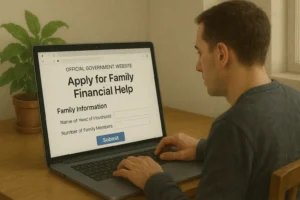
Government websites usually offer self-assessment tools that allow you to check eligibility quickly. These tools make it easier to understand how to find financial assistance tailored to your specific needs. Once you submit the necessary documents—income proof, identification, expenses—you can begin receiving monthly or one-time support.
Tax credits and family-based subsidies also provide valuable financial aid for families, especially those with children. If you’re unsure about your eligibility, local assistance offices can help review your documents and guide you through the application process step by step.
Learning how to find financial assistance through government programs helps ensure you don’t miss out on benefits that can significantly reduce your household expenses.
How to Find Financial Assistance Through Charities and NGOs
Nonprofit organisations and charities are a vital source of support for families who need immediate relief. Many families who are learning how to find financial assistance quickly discover that charitable organisations offer a wide variety of services that complement government aid.
Some charities specialise in helping with rent or mortgage payments, while others focus on energy bills, food, or medical expenses. These organisations are especially helpful when families don’t qualify for government programs but still need urgent financial aid for families.
When exploring how to find financial assistance, start by contacting national charities with established support programs. Many offer online applications or quick referrals to local offices. Community-based charities often provide additional help, such as free clothing, furniture, hygiene items, school supplies, and transportation vouchers.
Because nonprofit organisations work closely with local businesses and volunteers, they often have access to resources that families wouldn’t find through government channels alone.

Required Documents When Applying for Financial Assistance
Understanding how to find financial assistance means knowing how to prepare the correct documents before applying. Most programs require similar paperwork to verify your identity, income, and expenses. Being prepared significantly speeds up approval times.
Typical documents include proof of income, photo ID, bank statements, rental agreements, utility bills, and medical invoices. Having these documents ready ensures the process of how to find financial assistance goes as smoothly as possible. Some programs may also require employment history or proof of job loss.
If you don’t have all the documents, don’t panic—many organisations still offer temporary financial aid for families while you gather the necessary paperwork. Support workers can guide you through what is essential and what can be submitted later.
Being organised helps families understand how to find financial assistance more efficiently and reduces delays in receiving the help they need.
Comparison Table: Types of Financial Assistance
| Type of Assistance | Purpose | Who It Helps |
|---|---|---|
| Emergency Assistance Programs | Immediate relief for urgent needs | Families in crisis |
| Government Benefits | Ongoing monthly support | Low-income families |
| Charity Assistance | Flexible support based on donations | Families of all income levels |
External Authoritative Sources
Frequently Asked Questions (FAQ)
1. What is the first step in learning how to find financial assistance?
The first step in learning how to find financial assistance is understanding your immediate needs and financial situation. Many people begin by reviewing their monthly expenses, identifying what must be paid urgently, and determining what types of support they qualify for. Once you’re clear on your needs, you can explore government benefits, emergency assistance programs, and charity-based resources. Knowing how to find financial assistance also means collecting key documents such as ID, proof of income, past bills, and rental agreements before applying. This preparation helps you access financial aid for families more quickly and improves your chances of approval.
2. Where can families get immediate financial help during a crisis?
Families who need urgent support should start with programs designed for emergencies. If you want to learn how to find financial assistance fast, focus on local councils, community centres, and established charities. These organisations often offer rapid-response grants, food vouchers, rental support, and utility bill relief. Many emergency assistance programs are created specifically to prevent homelessness, restore essential services, or cover emergency medical needs. Because the process is designed for urgent situations, approvals can happen within hours or days. Families searching for immediate help will benefit greatly from understanding family financial help networks in their area.
3. How do government programs help families understand how to find financial assistance?
Government websites are among the most reliable sources for understanding how to find financial assistance. They provide clear eligibility guidelines, online applications, and benefit calculators. Many families qualify for housing support, childcare subsidies, tax credits, or medical aid without realising it. If you’re researching financial aid for families, government portals often include tools that match you with available grants or benefits based on your income, household size, and employment status. Once you learn how the system works, it becomes much easier to navigate ongoing support programs.
4. What documents do I need when applying for emergency assistance programs?
When learning how to find financial assistance through emergency programs, having the right documents ready is essential. Most emergency assistance programs require proof of identity, proof of income (such as payslips or bank statements), rental or mortgage documents, utility bills, and any relevant medical or hardship-related paperwork. These documents help verify your situation so that providers can offer the correct support. Even if you don’t have every document available immediately, many organisations will still allow you to apply and follow up later. Families seeking immediate family financial help should gather what they can as early as possible.
5. Can charities help me figure out how to find financial assistance?
Yes — charitable organisations are incredibly valuable when learning how to find financial assistance. They often provide emergency food support, rental aid, clothing vouchers, prescription assistance, and transportation grants. Many charities also offer ongoing financial aid for families in partnership with local councils and donors. Since charities are community-driven, they can respond quickly to families in crisis. They also help individuals complete applications, understand benefit programs, and plan long-term financial strategies. If you’re unsure how to find financial assistance in your area, charities are an excellent place to begin.
6. What should I do if I’m struggling with rent or housing costs?
If housing has become unaffordable, one of the most important steps in understanding how to find financial assistance is contacting your local housing authority. Many cities offer rental support through emergency assistance programs that help prevent eviction. Additional programs may cover overdue utility bills or deposit costs for new housing. Charities and faith-based organisations also provide temporary family financial help for households facing housing insecurity. By acting quickly and applying to multiple organisations, families have a much higher chance of keeping their housing stable.
7. How can families with children learn how to find financial assistance effectively?
Families with children often qualify for additional support programs. When researching how to find financial assistance, explore child-specific benefits such as school meal programs, childcare subsidies, healthcare support, and tax-based credits. Many financial aid for families programs prioritise parents with dependents because childcare costs significantly increase household expenses. Nonprofit organisations also run family-focused support groups, clothing drives, and school supply programs. With the right guidance, parents can access multiple layers of support.
8. Are there programs specifically for medical or health-related financial help?
Medical bills are one of the most common reasons families look for how to find financial assistance. Fortunately, many programs provide medical-specific support. These include prescription discounts, hospital charity care, government healthcare subsidies, and emergency medical grants. Many emergency assistance programs prioritise families with urgent health-related needs. Charities also partner with clinics and pharmacies to provide free or discounted services. Families overwhelmed by medical expenses can access substantial financial aid for families by applying to multiple organisations at once.
9. What if I don’t qualify for traditional government assistance?
If you don’t meet the income requirements for government benefits, you still have many options when learning how to find financial assistance. Charities, NGOs, and community foundations offer flexible support that often does not require strict eligibility. They may provide food, clothing, bill assistance, or one-time grants. Some religious organisations offer unconditional family financial help regardless of income or background. In these cases, being proactive and applying to multiple organisations increases your chances of receiving the assistance you need.
10. How can seniors learn how to find financial assistance?
Seniors often face unique financial challenges, such as increased medical expenses, limited mobility, and fixed incomes. When learning how to find financial assistance, older adults should explore pension supplements, energy relief programs, senior food distributions, and community grants. Many financial aid for families programs extend to seniors, especially when they support grandchildren or family members. Community centres offer additional support such as free meals, transportation assistance, and health-related programs. Seniors who connect with local senior support organisations often find more resources than expected.
11. How do I avoid scams when searching for how to find financial assistance?
Unfortunately, scams often target people searching for how to find financial assistance. To stay safe, avoid any service that asks for upfront payment to access benefits. Legitimate emergency assistance programs and government benefits are always free. Only use official government websites, reputable charities, or verified non-profit organisations. If a program sounds too good to be true, research it or ask your local council for verification. Protecting yourself while seeking family financial help is critical.
12. Is there long-term financial support available for families?
Yes. Long-term programs are a major part of understanding how to find financial assistance. Ongoing support may include childcare subsidies, housing vouchers, food benefits, disability payments, tax credits, and healthcare assistance. These forms of financial aid for families help maintain stability while households work toward long-term goals. Many families qualify for multiple long-term benefits but don’t apply because they’re unaware they meet the criteria. Regularly checking eligibility ensures that families receive all available support.
13. Can I apply to multiple assistance programs at the same time?
Absolutely. When learning how to find financial assistance, one of the most important strategies is applying to several programs at once. Each organisation offers different types of help, and receiving support from multiple sources significantly increases financial stability. You can apply simultaneously for government benefits, emergency assistance programs, and charity-based grants. Families often find that combining support leads to quicker relief and stronger long-term outcomes.
14. What should I do if I keep getting denied for financial assistance?
If you are denied, don’t give up. Understanding how to find financial assistance means recognising that some programs have very specific eligibility rules. Instead of stopping your search, apply to alternate programs with different criteria. Local charities are often more flexible than government agencies. You can also request a denial explanation, correct any missing paperwork, and reapply. Many families secure financial aid for families after multiple attempts because their situation changes or because they provide missing documents. Persistence is key.
15. How can I stay organised while learning how to find financial assistance?
Staying organised makes a huge difference. Create a folder for your important documents, including ID, bills, statements, and application confirmations. Make a checklist of programs you want to apply for and track deadlines. Part of learning how to find financial assistance is managing communication effectively—responding quickly to emails, attending appointments, and submitting follow-up documents. This level of organisation ensures you receive timely support from emergency assistance programs, charities, or government agencies offering financial aid for families.
Final Takeaway
Learning how to find financial assistance is one of the most empowering steps a family can take during difficult times. Help is available — often more than you realise — and with the right guidance, you can access programs designed to provide relief, stability, and hope. Whether you need immediate support or long-term solutions, understanding how to find financial assistance opens the door to a stronger and more secure future for your household.
If you want to read more Amazing Articles like this, Click Here.